Category Archives: painting

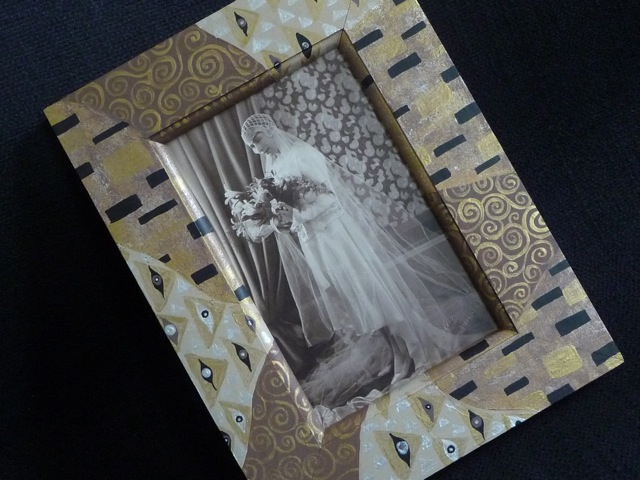
Framed By Klimt

Gustav Klimt was a highly influential Austrian painter and illustrator who was born in 1862, and who died in 1918. He was one of the founders of the Vienna Secession movement, whose members hoped to create a new style of art, breaking with historical influences and tradition.

Klimt explored many themes such as love and the cycle of life, but is best known for his look at sexuality in art, considered highly controversial during the stuffy Victorian era in which many of his works were created. Some of his most beautiful paintings showed women enveloped in luxurious shapes, colours, patterns and costumes. The use of gold also comes to mind when thinking of his sumptuous work. His prominent use of gold leaf was thought to be influenced by his father’s profession as an engraver, as well as Byzantine imagery and the mosaics of Venice seen throughout his travels.

This project focusses on Klimt’s richly patterned works, infused with delicious golden swirls and textures. You’ll be painting a frame, which can then be used to display your own artwork or favorite photo.
Continue reading

Leave a comment

Filed under Gustav Klimt, painting

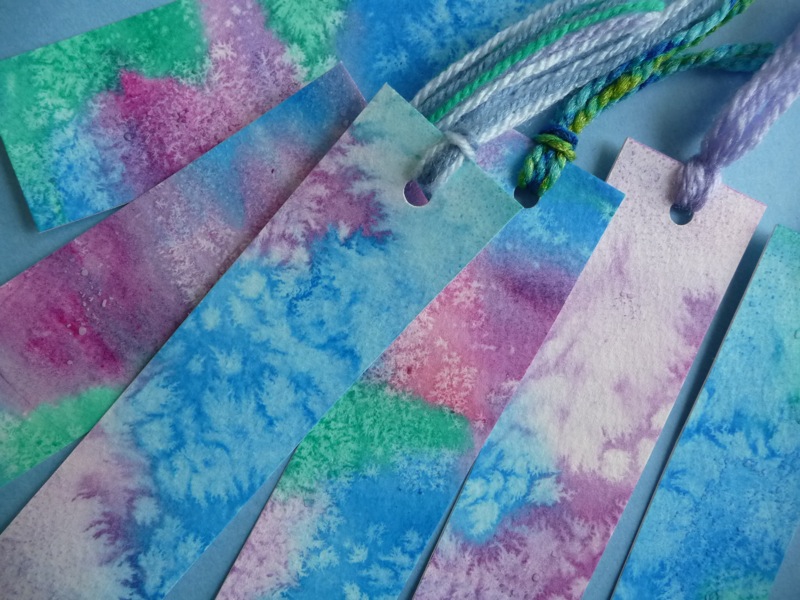
Salty Bookmarks

Salt crystals have a way of transforming watercolor paintings into the coolest, texture filled creations. The crystals absorb the water surrounding them and push the pigment away, leaving white, speckled patterns behind. Once these paintings are sliced up, they make lovely, unique looking bookmarks that children will love.

Continue reading

5 Comments

Filed under bookmarks, painting

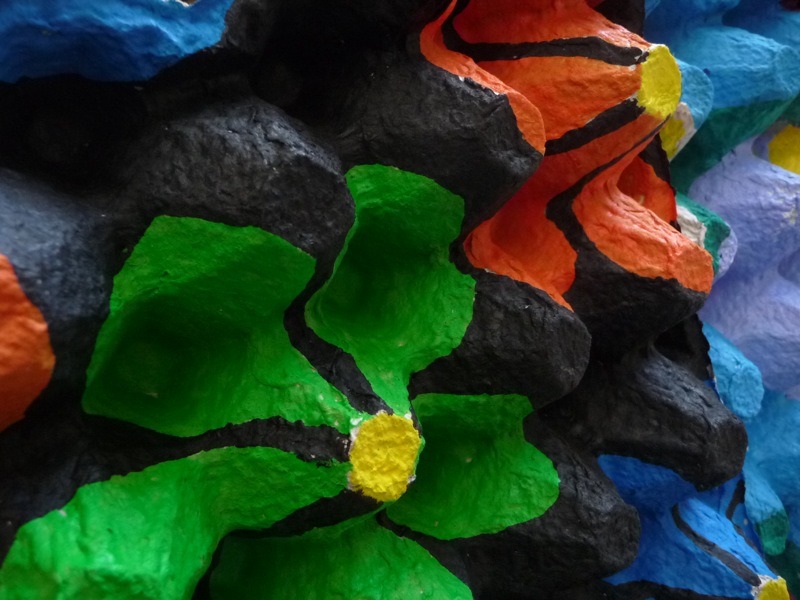
The Life Cycle Of An Egg Carton

The egg carton’s primary purpose is to escort eggs from the chicken coop to your home, where it either gets tossed in the recycling bin, or with the help of some ingenious humans, mutates into bug eyes, seed starters, sorting trays, cat beds, flowers, molds, lights, and creatures of all kinds. Finding a second life for an egg carton has never been a problem, but using it as a canvas to paint portraits and patterns on never occurred to me until I came across the work of Enno de Kroon. His “eggcubist” portraits play with the viewer’s perception, looking strangely deformed because of the peaks and valleys of his unorthodox canvas. They’re also very cool and look deceptively easy to paint. I found focussing on vibrant colours, patterns, and simple shapes worked best for children, and proved easier to execute. They’ll love the results.

Continue reading

21 Comments

Filed under Artists, egg cartons, Enno de Kroon, painting, recycling

Under The Sea

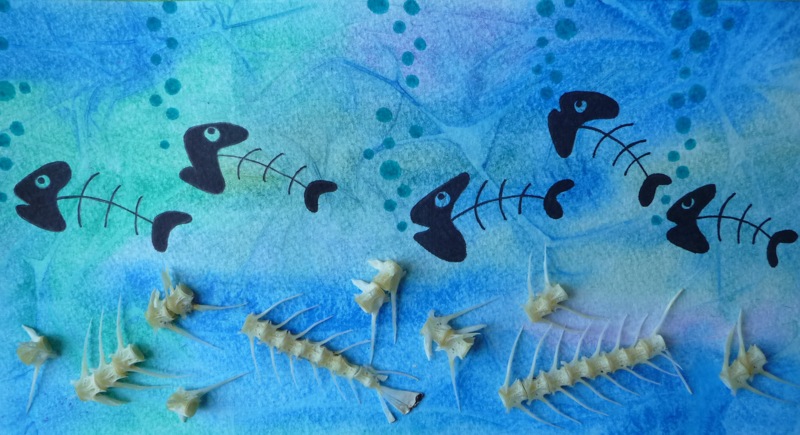
Create a magical sea world with a textured watercolour background, some fish, a few bones and plenty of imagination. About the bones…it’s not that I have a particular fondness for bones, but this is my second project using them, and my daughter is beginning to find it a bit odd. She’s probably wondering where I’m heading with this since I’ve now covered chicken and fish. Quite simply, I’ve always wanted to incorporate fish bits in a project. I may have been inspired by the unique art which graces the walls of Joso’s restaurant and actually includes the odd piece of fish skin, along with a liberal dose of boobs and bottoms. But since they quite possibly make the best fish in Toronto, who am I to say what they should do with the leftovers.

Continue reading

5 Comments

Filed under bones, painting

Pick Your Poison

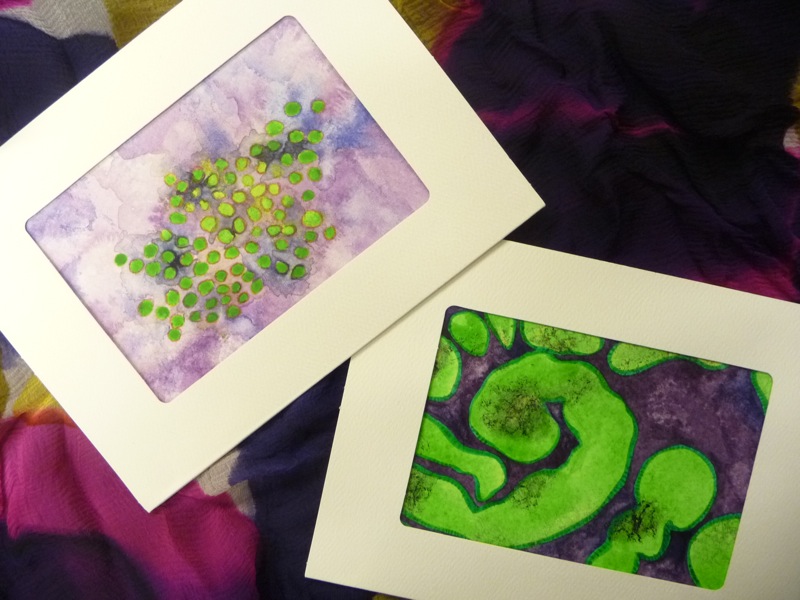
Dengue Fever Virus (x 30,195) & Influenza A Virus (x 31,710)

Virus means poison in Latin, and is responsible for much misery this time of year. If you know someone who’s bedridden with Influenza or Dengue Fever, why not send them a get well card with your very own rendering of the virus? The lovely muted colours of your watercolour painting, along with your somewhat twisted sense of humour, will surely bring a smile to your sickly friend’s face while they continue on with their violent shivering fits and severe muscle aches. Naturally, you’ll want to mail your card to avoid any of these nasty contagions. All kidding aside, this was a really fun subject to paint because when magnified a few thousand times, viruses can be quite beautiful.

Continue reading

Leave a comment

Filed under cards, painting

Autumn Leaves

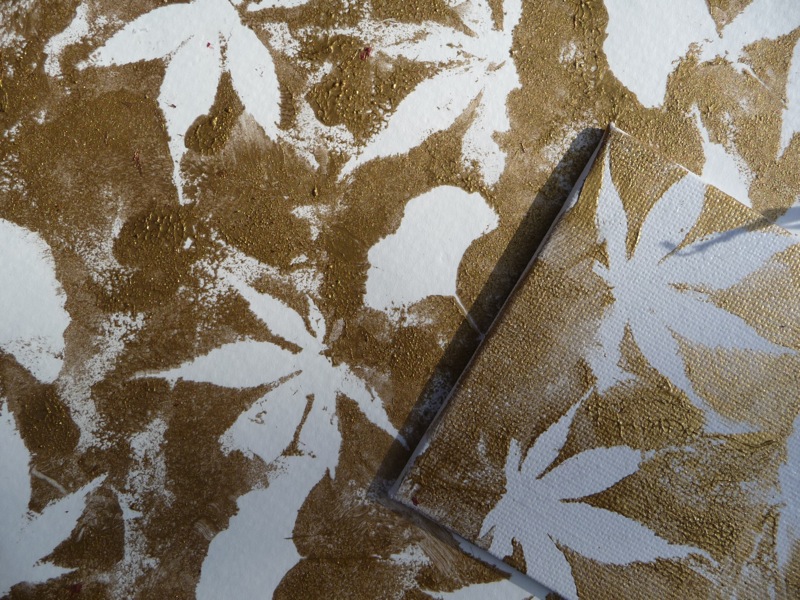
I’ve filled a good 30 bags of leaves, and have chosen to ignore the remaining stragglers until spring. And by stragglers, I mean another 10 to 15 bags worth. My body aches, and while I thought I was in shape, apparently I’m not when it comes to raking. So I’m turning my attention to other autumn options, and found that a few pressed leaves and a little gold paint can look magical.

Continue reading

6 Comments

Filed under Art and Nature, leaves, painting

Soundscapes

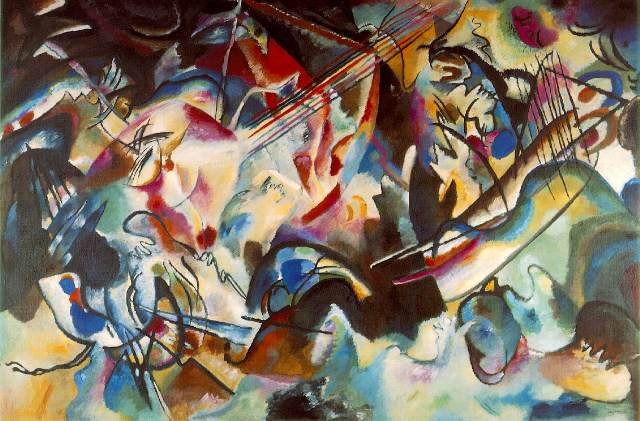
Composition 6 by Wassily Kandinsky. 1913. Image: http://www.chss.montclair.edu/~nielsenw/dada.html

“Lend your ears to music, open your eyes to painting, and …stop thinking! Just ask yourself whether the work has enabled you to “walk about” into a hitherto unknown world. If the answer is yes, what more do you want?” Wassily Kandinsky 1910

Music accompanies us throughout the day while we are driving, playing, or walking along with our ipods. It can create a peaceful ambience as we go about our reading, or stir powerful emotions begging to be expressed in some way, which brings us to this project. There is a wonderful connection between music and visual art which has been examined by many artists. Russian-born Wassily Kandinsky was fascinated by this relationship and explored it in many of his paintings. He is credited with creating the first truly abstract paintings like the one above, and is suspected of possibly being a synaesthete, having the ability to see sound as colour and vice versa. This project gives children the opportunity to think about the emotions music awakens, and how they choose to paint the sounds they hear.

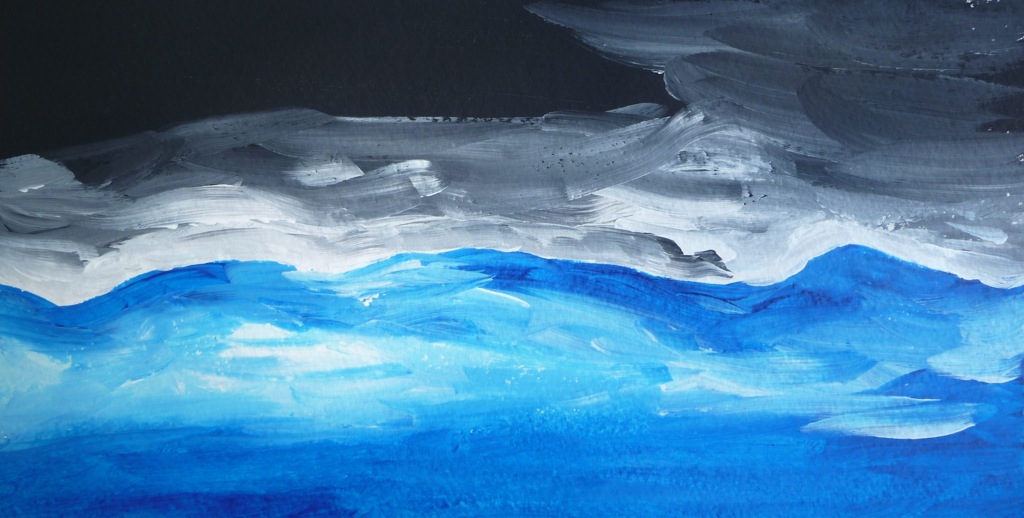
Ten year old Sophie painted this while listening to E.S.T.’s ‘From Gagarin’s Point of View

“In the beginning it was relaxing like a day at the beach, so I made some blue and white waves. In the middle of the song it turned darker, so I decided to paint the other half with black and white which also turned to grey. At the end, both sides come together.”

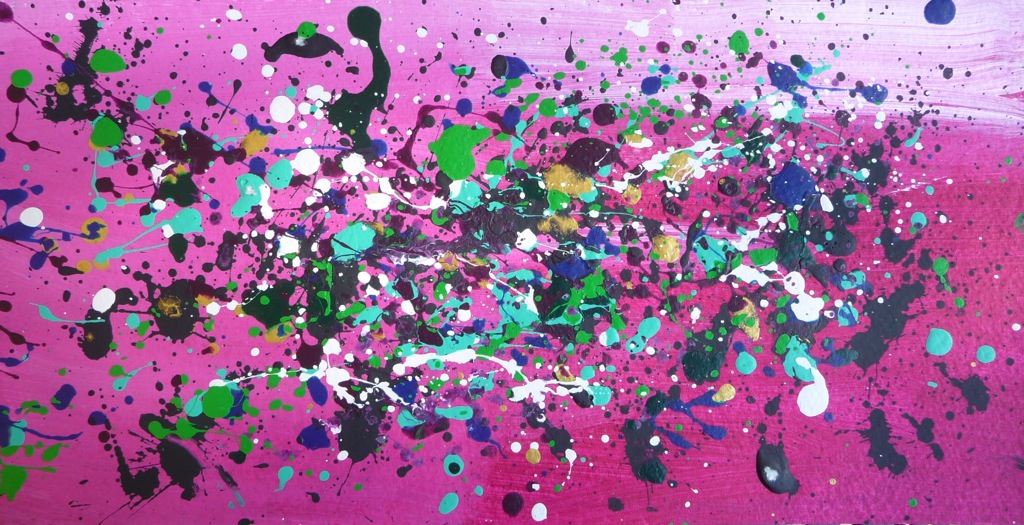
Sophie painted this while listening to the 4th movement of Beethoven’s 5th Symphony.

“You may think it’s a pink background with a bunch of colourful splatters on it, but think again. The beginning is not too angry so I thought dark pink was perfect. To represent the anger and violence, I decided to do some black splatters, but then it became more joyful so I chose colour – like a war between colours. I chose to make splatters to represent the energy and anger.”

Continue reading

Leave a comment

Filed under Artists, music, painting, Wassily Kandinsky

Pop Art Flowers

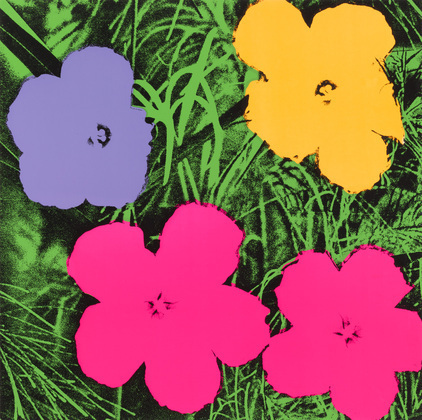
Untitled by Andy Warhol. Image: http://moma.org

The Pop Art movement was all about making art more accessible. This movement began in the 1950’s in England, and by the end of that decade reached the United States. Everyday mass produced objects from the world of advertising and comic books were typically represented. Andy Warhol, an American artist, was one of the leading figures in this movement and became famous for his paintings of Campbell’s Soup Cans, celebrities like Marilyn Monroe, and his silk screen prints. Since today is his birthday, let’s celebrate his work by painting some flowers and exploring repetition and colour in a Pop Art style.

Continue reading

Leave a comment

Filed under Andy warhol, Artists, flowers, painting, Pop Art

Rock Painting

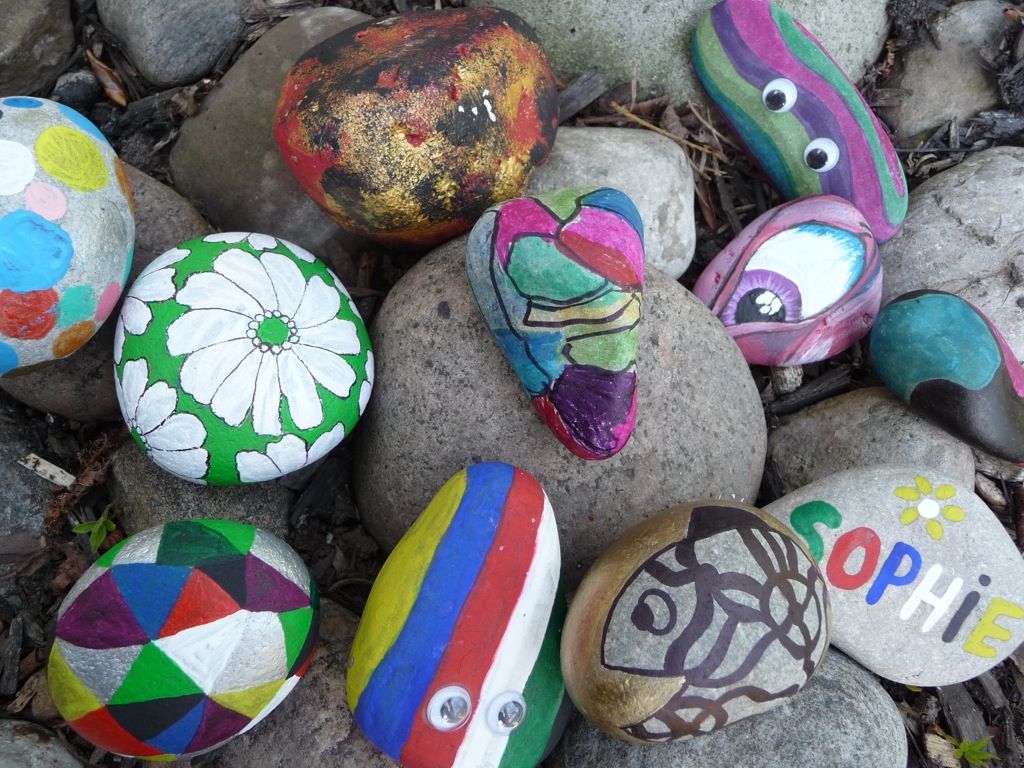
Rock painting is a wonderful way to get really creative. Your designs can be used as paper weights, door stops, colourful additions to your garden, or simply displayed and admired on a bookshelf.

Continue reading

Leave a comment

Filed under Art and Nature, painting, rock painting

Cherry Blossom Painting

Every year, white and soft pink cherry blossoms are found blooming all over Japan. This annual rite of spring is eagerly celebrated by gathering in parks to picnic under the flowering trees. These trees, known as sakura, carry great cultural significance for the Japanese. With their short blooming season, they remain an enduring metaphor for the ephemeral nature of life. They are also a popular good luck symbol, and can frequently be found depicted in art, as well as many consumer goods such as clothing and stationary.

Sakura is native to Japan and other Asian countries, but can also be found growing in many other parts of the world, prompting similar kinds of celebrations. This project is a nice way to welcome spring after a long and loathsome winter.

Continue reading

16 Comments

Filed under painting